
Lost Pet Advice
How to Find a Lost Dog: What to Do in the First 24 Hours
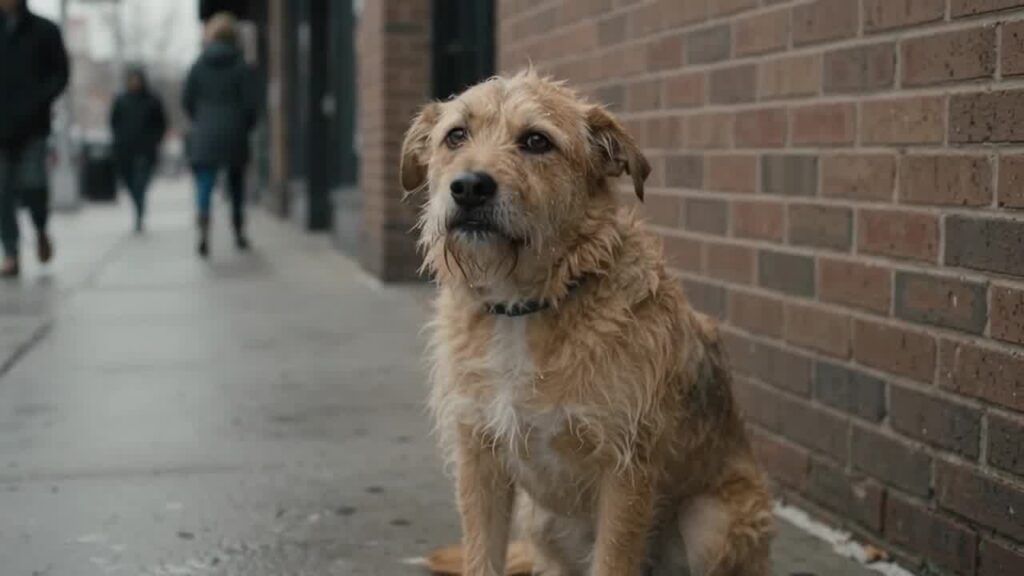
“My dog ran away.” Few words hit an owner harder. Your heart races, your mind jumps to the worst, and it is hard to think straight. The good news is that most lost dogs are found, and what you do in the first few hours makes a real difference. This guide shows you exactly how to find a lost dog, step by step, from the first minute to the first week.
In a study of lost dogs published in the Journal of the American Veterinary Medical Association, 71% were recovered, and the median time to get them home was just two days. Acting quickly and searching the right way puts your dog in that group.
How to find a lost dog: the short version
- Stay calm and do not chase your dog if you see them.
- Search your home and property, then walk the neighbourhood calling calmly.
- Keep one person at home in case your dog comes back.
- Report your dog as lost online and in local social media groups.
- Call and visit every animal shelter and animal control service nearby.
- Put up large, simple posters near where your dog went missing.
- Leave familiar scents and water outside your door.
- Keep searching every day, widening the area as you go.
My dog ran away: what to do in the first hour
The first hour is when your dog is most likely to still be close. Use it well.
1. Stay calm and do not chase
It is natural to run after your dog, but chasing usually turns it into a game or frightens them further away. If you can still see your dog, stop, crouch down and call them in a happy, relaxed voice. Running in the opposite direction often works better than running towards them.
2. Search your home and property
Before you head out, check that your dog has not simply hidden. Look under beds and decks, behind furniture, in the garage, the shed and any parked cars. Ask everyone in the household when they last saw your dog and whether a gate or door was left open. That tells you where they got out and which direction to start from.
3. Walk the neighbourhood and call calmly
Search on foot rather than by car so you can see and hear more. Bring a treat bag, a squeaky toy and a lead. Call your dog’s name in a calm, cheerful voice, then stop and listen. Ask neighbours to check their yards, garages and sheds, and give your phone number to anyone you speak to.
4. Keep someone at home
Some dogs find their own way back. If possible, leave one person at home with the door ready to open and a phone on loud. If family or friends can help, give each person a different street and a recent photo of your dog on their phone.
Where do lost dogs go?
Where a lost dog goes depends mostly on their personality and how frightened they are. Knowing your dog helps you decide where to look first.
- Friendly, outgoing dogs often walk straight up to people. They are usually picked up quickly by a neighbour or passer-by and found close to home, so ask around and check found dog posts early.
- Reserved dogs may be wary of strangers and keep their distance. They often stay in the area but avoid being caught by people they do not know.
- Shy or fearful dogs can go into survival mode. They hide during the day, travel at night and may run even from their own family. These dogs need a quiet, patient approach.
Lost dogs tend to follow the path of least resistance, such as footpaths, trails, fence lines, creeks and quiet roads. During the day, frightened dogs often hide in thick bushes, under decks and porches, in culverts, drains and wooded areas. Many also head towards places they know, like the dog park, a favourite walking route, a friend’s house or a previous home.
How far can a lost dog travel?
There is no single answer. A young, fit, frightened dog can cover a lot of ground in a day, while an older, small or friendly dog may stay within a few streets. Terrain, weather and whether people have been feeding them all play a part. Start your search close to where your dog went missing, then widen it each day, extending your posters and calls into neighbouring suburbs and towns if you have not found them within the first day.
Get the word out in the first few hours
If a quick search has not found your dog, make sure as many people as possible know they are missing and know how to reach you.
Report your lost dog online
Create a lost dog report with clear photos, where and when your dog was last seen, and a description of their markings and behaviour. You can report a lost pet on WaggleTrack in three short steps. We search the internet for potential leads and monitor social media for sightings and mentions, and our Human Response Team brings those leads together to help move the reunion forward.
Post in local social media groups
Share your dog in local Facebook groups, neighbourhood apps and lost and found pet pages. Use the same clear photo everywhere and start the post with LOST DOG, followed by the area, nearest cross streets, the time they went missing, a short description and your phone number. Say whether people should approach your dog or just call you with a sighting.
Call and visit animal shelters and animal control
This is one of the most effective things you can do. In the same JAVMA study, more than a third of recovered dogs were found through a call or visit to an animal agency. Contact every shelter, rescue and animal control service within a reasonable distance, not just the closest. Then visit in person, because descriptions are often inaccurate and staff may not recognise your dog from a photo. Many shelters hold strays for only a few days, so check back often.
Put up lost dog posters
Neighbourhood signs led to 15% of the recoveries in the JAVMA study, so posters are well worth the effort. Most people see them from a moving car, so keep them simple:
- Huge, bold letters across the top: LOST DOG.
- One large, clear colour photo showing your dog’s face and markings.
- A few words of description and your phone number in big print.
- Bright or fluorescent paper, with each poster in a clear sleeve to protect it from rain.
- Placed at eye level at intersections, parks, shops and vet clinics near where your dog went missing, following local rules for posting signs.
Tip: Leave one identifying detail off your posters and posts, such as a small scar or an unusual marking. If someone calls claiming to have your dog, ask them to describe it. It is a simple way to spot a scam.
Check your dog’s ID and licence details
A licence tag led to 18% of recoveries in the study. Make sure the phone number on your dog’s tag still works. If your dog is licensed with your local council or municipality, or registered with a microchip database, contact them to report your dog missing and confirm your details are up to date.
How to attract a lost dog back home
Dogs rely heavily on scent, and familiar smells can draw them back. These simple steps help turn your home into a beacon:
- Leave an unwashed item of your clothing and your dog’s bed or blanket outside your door, or where they went missing.
- Put out a bowl of fresh water.
- If it is safe, leave a garage door or side gate slightly open so your dog can get back in while you are out searching.
- Sit quietly outside in the evening. A frightened dog is more likely to approach a calm, still person they know.
- If your dog is being seen in one area but will not come to anyone, a local lost dog volunteer group can advise on a feeding station, a trail camera or a humane trap.
What to do when you see your lost dog
A dog that has been lost for a while may not come running, even to you. If your dog ran away and won’t come back when called, try this instead:
- Stop moving, and do not call loudly or move towards them.
- Sit or lie down on the ground, turn side on and avoid direct eye contact.
- Speak softly, or crinkle a treat bag, and toss a few treats near you.
- Let your dog come all the way to you before gently taking hold of their collar or slipping on a lead.
How long can a lost dog survive on its own?
Many lost dogs survive for days or even weeks, especially if they can find water and shelter. Weather is the biggest risk, so search more urgently in extreme heat or cold. In the JAVMA study, dogs were recovered anywhere from a few hours to three weeks after going missing. Keep searching, keep your reports active and do not lose hope.
Will my dog come back home on their own?
Some dogs do find their way home, but you should not count on it. An Ohio State University study found that fewer than one in ten lost dogs returned home on their own. Most were found because their owners searched, reported them and contacted shelters. Active searching is what brings most dogs home.
After the first day: keep up the search
- Visit shelters in person every day or two, and check their online lost and found listings.
- Check found pet reports and local found dog posts daily.
- Repost your lost dog in social media groups every couple of days so it stays near the top.
- Replace posters that have faded or fallen down.
- Keep a log of sightings with times and places. Patterns show where your dog is spending time.
- Tell postal workers, delivery drivers, dog walkers and joggers. They see a lot of the neighbourhood every day.
- Keep your phone on and answer unknown numbers.
Watch out for scams. Never pay anyone before you have seen your dog in person. Be wary of anyone who asks for a gift card, a bank transfer or a verification code sent to your phone, or who says your dog is in another city and needs paid transport. Ask for a photo taken today, meet in a busy public place and bring a friend.
Found a lost dog? Here is what to do
If you are on the other side and have found a dog that looks lost, you can help get them home fast:
- Keep the dog safe. Approach slowly, and if the dog is calm, bring them somewhere secure with water.
- Check for a tag. Call the number on any ID or licence tag.
- Get them scanned. Most vet clinics and shelters will scan a found dog for a microchip.
- Report the found dog. Report a found pet on WaggleTrack, and our AI searches our registered-pet directory for a match. Post in local lost and found groups too.
- Contact animal control. Let your local shelter or animal control know, as the owner may be searching there. They can also tell you the rules where you live for keeping a found dog.
When your dog comes home

- Get a vet check. Dogs can pick up injuries, ticks or illness while they are away, even if they seem fine.
- Update every report and post. Mark your dog as found so people stop searching and shelters close their records.
- Take your posters down and thank the people who helped.
- Work out how they got out. Fix the gap in the fence, the faulty latch or the gate that does not close properly.
How to stop your dog getting lost again
The best time to prepare for a lost dog is before it happens. When your dog goes missing, the last thing you want to be doing is creating accounts, hunting for good photos and trying to remember every identifying detail.
- Register your dog for free. Register your pet on WaggleTrack with their name, photos and identifying details. If someone finds your dog and reports them to WaggleTrack, AI can search our directory for a match. See how WaggleTrack works.
- Keep recent photos. Take clear photos of your dog’s face, each side of their body and any unique markings.
- Use an ID tag. Keep a collar and tag with a working phone number on your dog.
- Secure your yard. Check fences, gates and latches regularly, and never leave a dog unattended in an unfenced yard.
- Practise recall. A reliable “come” is one of the best safety tools a dog can have.
- Plan for high-risk times. Fireworks, storms, moving house and visitors coming and going are when many dogs bolt. Keep your dog inside and in a quiet room when you can.
Knowing how to find a lost dog makes a frightening situation easier to handle. Act fast, search calmly, spread the word widely and keep going. Dogs are reunited with their families every day, often within a couple of days, and sometimes after weeks.
Lost dog FAQs
What is the best way to find a lost dog?
Search your neighbourhood on foot straight away, then report your dog as lost online, call and visit every local shelter and animal control service, and put up large, simple posters near where your dog went missing. Contacting animal agencies was the single most common way lost dogs were recovered in a study published in JAVMA.
Where do lost dogs usually go?
Friendly dogs often approach people and are picked up close to home. Shy or frightened dogs tend to hide and travel along quiet routes such as trails, fence lines and creeks. Many lost dogs also head towards familiar places like a favourite park, walking route or previous home.
Where do lost dogs hide during the day?
Frightened dogs usually hide somewhere quiet and covered during the day, such as thick bushes, under decks and porches, in culverts and drains, or in wooded areas. They are more likely to move around early in the morning, in the evening and at night.
How far can a lost dog travel in a day?
It depends on the dog’s size, fitness, personality and fear level, as well as terrain and weather. A fit, frightened dog can cover a lot of ground, while many friendly dogs stay within a few streets. Start searching close to home and widen the area each day.
How long can a lost dog survive on its own?
Many lost dogs survive for days or weeks, particularly if they can find water and shelter. Extreme heat and cold are the biggest risks. In a study of lost dogs, recoveries happened anywhere from a few hours to three weeks after the dog went missing, so keep searching.
Will my dog come back home after running away?
Some dogs do, but most need help. An Ohio State University study found that fewer than one in ten lost dogs returned home on their own. Searching, reporting your dog as lost and contacting shelters are what bring most dogs home.
How do you attract a lost dog back home?
Leave familiar scents outside, such as an unwashed item of your clothing and your dog’s bed, along with fresh water. Keep someone at home, and sit quietly outside in the evening. If you see your dog, sit down, avoid eye contact and let them come to you rather than chasing them.
I found a lost dog. Who do I call?
First call the number on the dog’s ID or licence tag if they have one. Then contact your local animal shelter or animal control, ask a vet clinic or shelter to scan the dog for a microchip, and report the dog as found on WaggleTrack and in local lost and found groups.